

Introduction: Discovering the Soul of the Sahara
The journey from Foum Zguid to M’Hamid El Ghizlane is a gateway into the soul of the Sahara Desert Morocco. This route, often called the “Paths of Sand,” is not just a geographical path but an emotional and sensory adventure.
It leads through Erg Chegaga, Morocco’s largest sand dune region. Along the way, travelers encounter vast open spaces, the silence of the desert, and the vibrant traditions of nomadic life. As a result, the experience becomes both meditative and unforgettable.

Moreover, the path allows you to witness how life thrives in such an extreme environment. From shifting dunes to timeless oases, every step deepens your connection to the land.
Foum Zguid: Gateway to the Sahara Desert Morocco
Located at the edge of the desert, Foum Zguid is more than just a departure point. Historically, it served as a key stopover for camel caravans traveling across the Sahara. Even today, it retains a strong traditional identity.
For example, the town features mud-brick houses, narrow lanes, and lively weekly markets. These elements reflect centuries of desert culture. Therefore, it’s the perfect place to begin your immersion in the desert lifestyle.
In addition, Foum Zguid provides access to off-road tracks, leading toward untouched parts of the Sahara. This makes it ideal for adventurers and cultural travelers alike.
Erg Chegaga Morocco: A Sahara Desert Morocco Highlight
As you travel further, you reach the heart of the desert: Erg Chegaga. These sand dunes stretch as far as the eye can see and rise up to 300 meters high. The scenery here is breathtaking and constantly changing with the light and wind.
Consequently, Erg Chegaga is often considered more wild and authentic than the better-known Erg Chebbi. For those seeking a raw and remote desert experience, this is the place to be.
The journey to Erg Chegaga typically passes through Iriki National Park, a vast dry lakebed that once hosted migratory birds and abundant wildlife. Now, it’s a hauntingly beautiful stretch of land, filled with fossil remains and ancient rock art.
Iriki National Park: A Forgotten Land of Life

Crossing Iriki National Park is like entering another world. Though dry and desolate today, the land once held a large lake and supported rich ecosystems. Fossilized shells and bones scattered across the sand are silent reminders of this ancient past.
In addition to its natural history, Iriki is dotted with prehistoric carvings and nomadic trails. These reveal how humans and animals moved through the region thousands of years ago. As you explore the park, you’re literally walking through layers of time.
This contrast between desolation and memory makes Iriki a powerful part of the journey. It connects you to a deeper story that the sand still whispers.
Sahara Desert Morocco Culture: Meet the Nomads
Meeting nomadic families is a highlight of the journey. Berber communities have lived in these harsh environments for generations, maintaining traditions that date back centuries. Their hospitality is legendary.
Furthermore, staying in a desert camp or sipping tea with locals gives you more than a travel photo—it offers a window into a resilient way of life. These moments help you understand the values of patience, endurance, and simplicity.
Because of their deep knowledge of the land, nomads are the true guardians of the Sahara. Learning from them enriches your journey far beyond the surface.
M’Hamid El Ghizlane: Oasis Life in the Sahara Desert Morocco

Eventually, the path leads to M’Hamid El Ghizlane, a historic town at the edge of the Draa Valley. Unlike the remote dunes of Erg Chegaga, M’Hamid blends desert beauty with the lush greenery of palm groves.
Historically, this was the last town before caravans ventured deep into Africa. As such, it became a cultural melting pot where Berber, Arab, and sub-Saharan influences met.
Today, M’Hamid is known for hosting the International Nomads Festival. This event celebrates music, art, and traditions of desert life, attracting artists and travelers from around the world.
Travel Options and Logistics
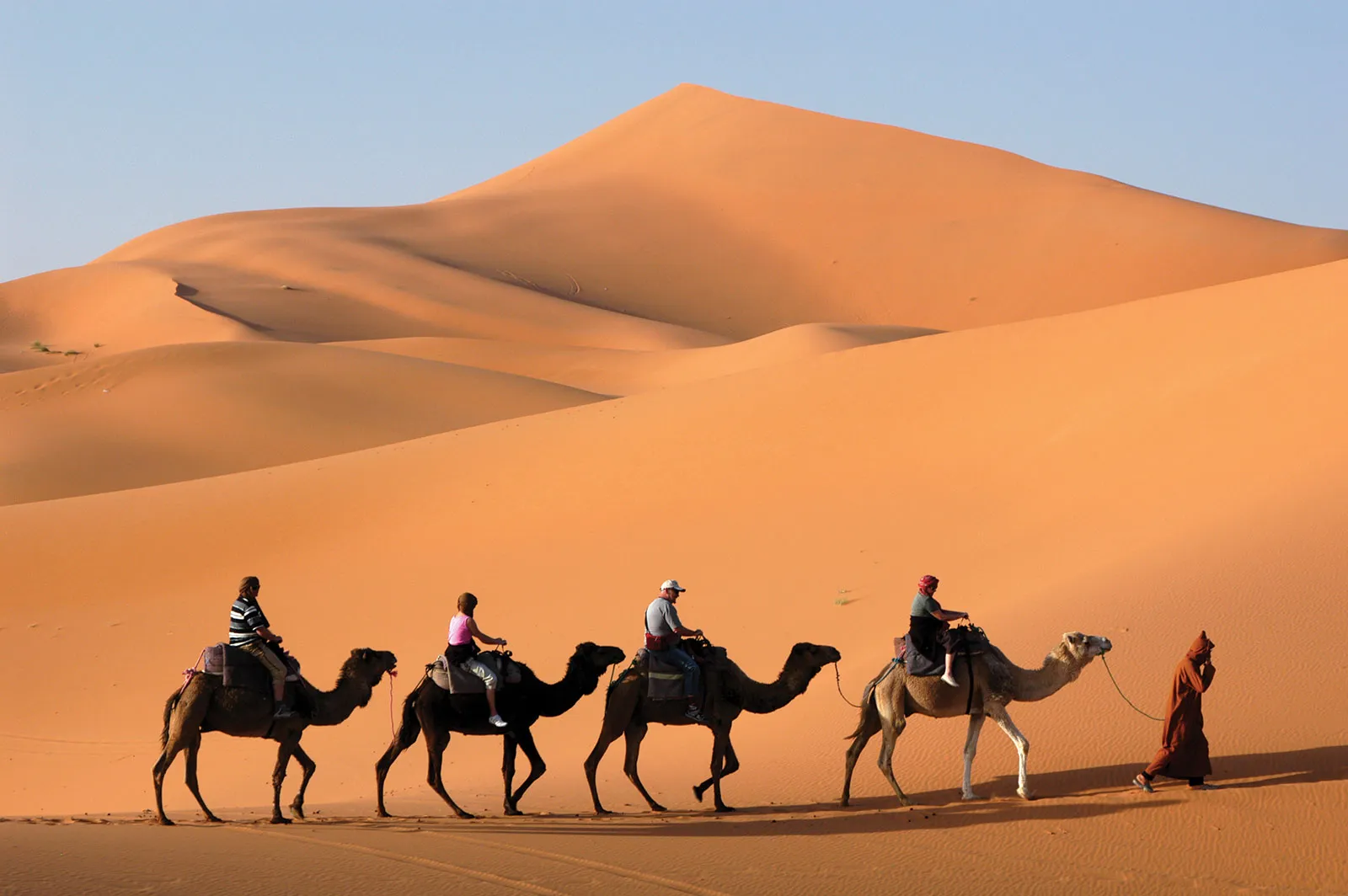
There are several ways to complete the journey between Foum Zguid and M’Hamid. Most travelers choose guided 4×4 tours, allowing safe and flexible exploration. Others opt for camel treks or even multi-day hikes.
Each method offers a different way to experience the desert. Camel treks allow a slower, more meditative pace. Meanwhile, 4x4s can cover more ground and reach deeper areas like Lake Iriki and remote dunes.
Be sure to travel with experienced guides who understand the terrain. The Sahara is beautiful, but it can be unforgiving to the unprepared.
What to Pack and Prepare
Because of the remote environment, packing smart is essential. Bring layered clothing, plenty of water, sun protection, and personal medical supplies. Nights can be cold—even in the desert.
Additionally, consider packing reusable items to minimize your environmental footprint. Respect for the land is part of the desert code.
Don’t forget a notebook or camera. The silence and beauty of the Sahara often inspire reflection and creativity.
Conclusion : The Magic of the Sahara Desert Morocco
The journey across the Sahara Desert Morocco, from Foum Zguid to M’Hamid El Ghizlane, is more than a physical adventure. It’s a spiritual and cultural passage that stays with you long after you return home.
From golden dunes and ancient lakebeds to palm oases and nomadic music, every part of the journey tells a story. And with each step, you write your own.